What is in and out, that is all we care about! This year will not disappoint in the least, as things are changing, and boy, do not let them cease! It is the reign of the horsepower, so hang on tight, and let us explore what it is our clients are craving this time in event trends!
From artificial intelligence to a fresh event perspective, this period is all about being innovative. Where “wow” becomes “why” and having the option to stream online. All guests want to join, and some even get to decompress during the climb. With results projected left to right, to get their event just right! We wonder if the ride hits record height.

1. AI-Orchestrated Event Trend (Not Just AI Tools)
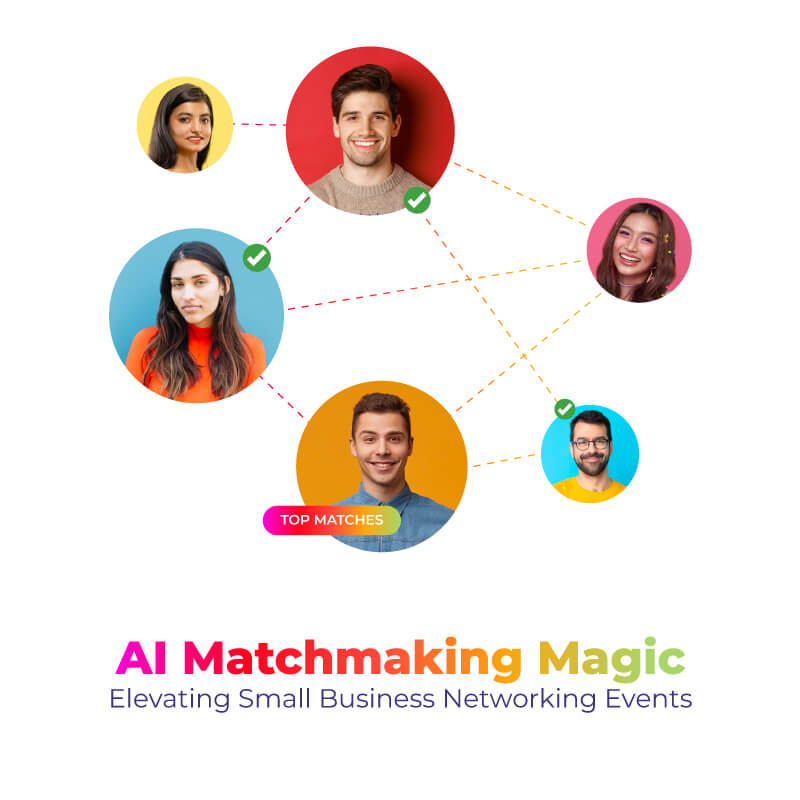
Planning an event with event trends has never been easier, as AI drops its main title “feature.” With its capacity, events are much more manageable by being an integrated part of the operating layer, offering AI-driven customizations per attendee. Matchmaking made in heaven, having the right people sit among each other to encourage networking, mentorship, and of course, business adventures.
It can be used for logistics too, involving predictive attendance, engagement, and staffing models, while providing real-time data analysis during the event itself.
Risks to consider not all information is true or verifiable, and a person without years of experience in event planning might dismiss red flags. In that case, consider an Event Consultant to be the accredited resource to keep values like strategy, ethics, and restraint relevant to the cause.
2. Purpose-First Programming
Going back to basics, in past years most event trends were “wow” focused. As a consequence, the “why” got a little neglected. Not completely, but it was felt. This era around, events gain much more meaning, setting a new identity around being mission driven, establishing and nurturing long-term goals, where leaders are turning into storytellers to spread their gospel, the truth and values they stand for. This results in a deeper connection between the attendees and the brand.
3. Connection Over Consumption in Event Trends
We need to understand that events are for the people. Yes, they are there to celebrate a milestone, a new product launch, or simply a networking conference. But they are still humans who need meaningful interactions, not endless content.
And they do not want to hop between conversations simply to get a slight buzz.
How to battle it? Coming from a consultant, give them a reason to talk about anything but business by using peer-to-peer learning formats. Have smaller, intentional groupings so it is less intimidating and encourages team bonding through a collaborative and conversational style of communication.
Remember, you are designing a human flow, not a schedule. You cannot time a good time. (Pun intended.)

4. The Rise of the “Unconference 2.0”
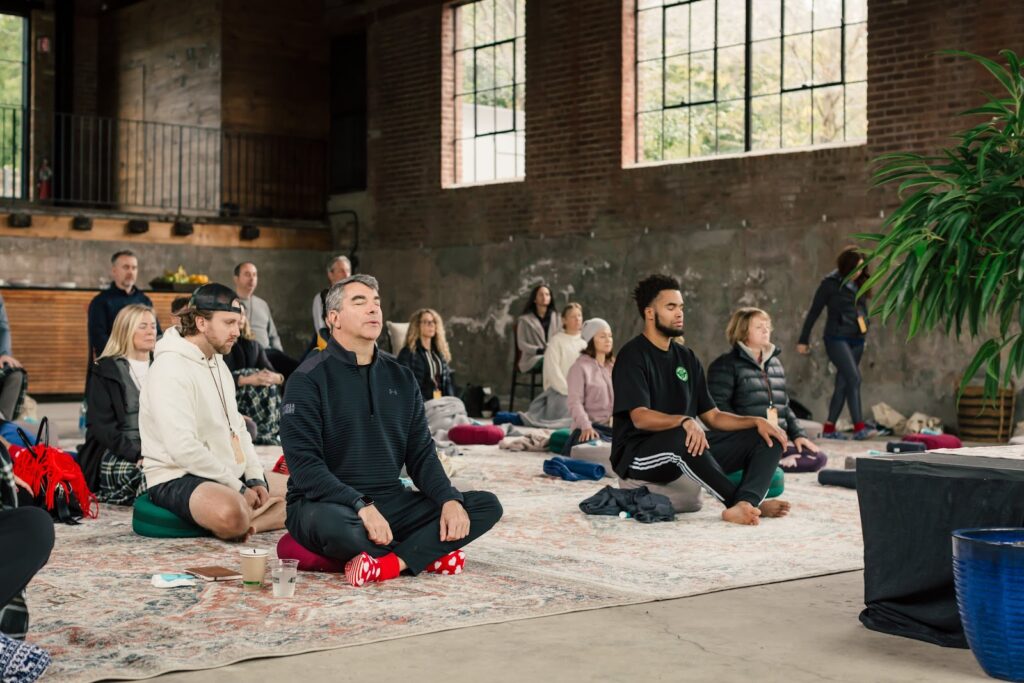
Using the heat of the moment to shape the event, with moderated spontaneity, let the flow happen naturally. Drop hierarchy and shift toward a more co-creation approach, giving the experience a more authentic, premium feel that evolves into something purposeful and high end.
5. Wellbeing Is Now Structural
Great success comes to those who prioritise wellbeing, even during the event itself. It shows that you truly care about who you surround yourself with by including:
- Built-in recovery time
- Quiet rooms or sections to decompress
- Scheduling accordingly. Just like you would not go swimming right after eating, the same thinking should apply to your event.
Bottom line: Read the room.
Burnout-aware event designs are what everyone is talking about, and they are expected in today’s standards.
6. Sustainability Moves From Messaging to Metrics
Numbers, numbers, numbers. They matter, and your clients want to know them too. Stating a promise does not have the same outcome as showing the proof.
Have credibility. Be transparent.

Include a carbon impact report, list what is being sourced locally (or not), and go further by sharing your waste metrics too.
Doing so not only promotes an eco-friendly approach but also helps you manage budget elements and impress your guests. It is definitely worth the effort.
7. Shorter, Smarter Events
To help you visualise, think of the saying, “A bird in the hand is worth two in the bush.” Trying to squeeze too much into one day can have the opposite effect. People get tired, and at some point, they stop paying attention, even if you invite acrobats to jump above their heads.
In short, they are done for the day.
Instead, opt for half day or compressed formats, with fewer sessions that have higher impact.

Be realistic. Would you attend an event like this?
Keep this question in mind: is it worth taking time off work? If the answer is no, then it will not survive.
8. Hybrid Is Reimagined (Again)
Hybrid is no longer “live + livestream.” They are two separate categories and should not be treated equally.
Consider creating some exclusivity when choosing to attend in person or join virtually by having content accessible only to online viewers, and vice versa. Keep it interesting.
Another note: having the opportunity to stream can actually extend your event’s lifespan more than you think. It is a pure strategy if you know how to utilize it.
9. Executive Visibility Without the Stage

Transform the event into an eye-level experience, where leaders step off the podium and drop the formality for the night Attendees can join a fireside chat or a small-setting walk-and-talk with their mentors, sharing legends and lessons.
Benefits: It puts leaders in a positive light, showing authentic, evolving leadership rather than maintaining distance on stage. A good leader is not defined by status.
10. Events as Business Infrastructure
The importance of events is still very real in 2026. Perhaps more than ever.
With young talent entering the workforce and the rise of technology (looking at you, AI), it has become harder to keep that human connection alive. That is exactly what events are fighting for.
It is a strategic investment move, not an expense.

Conclusion
These are not just emerging trends for 2026. They reflect the real concerns businesses are facing today. Clients do not need more trends. They need a helping hand, support in strategic thinking, interpretation, guardrails, and ROI clarity.
That is where 38 years of experience becomes the differentiator. Book a consultation Today!
